Three generations of our family have guided clients through the rhythms of Nice’s property market since 1958. One thing hasn’t changed: buying real estate here isn’t just about square meters or views-it’s about laying down roots that last beyond a lifetime. In 2026, international buyers aren’t just looking for a second home; they’re seeking a legacy. And in a city where every stone has history, choosing wisely means understanding not just price tags, but long-term value, neighborhood soul, and the quiet confidence that comes from working with someone who knows the terrain like their own backyard.
The 2026 market dynamics for buying property in Nice France
Today’s market in Nice is shaped by more than demand-it’s shaped by timing. Infrastructure upgrades linked to upcoming regional events have quietly boosted connectivity and appeal, particularly in central districts. While luxury segments remain steady, it’s the well-located, move-in-ready apartments that are drawing quick attention. International interest, especially from North American and Northern European buyers, has shifted from观望 to action, driven by favorable exchange rates and a growing preference for Mediterranean lifestyles.
What sets 2026 apart is the speed. Offers move fast, and hesitation can mean missing out. At the same time, administrative processes remain detailed-foreign buyers must navigate notarial requirements, tax declarations, and financing validations, all of which benefit from local guidance. Rental yields in the city center average around 3.5% to 4.5%, while sea-facing areas with strong tourist appeal often reach 5.2%, making income potential a real factor in decision-making.
Exploring the diverse portfolio of properties for sale in Nice is the most reliable way to secure a sound investment on the French Riviera. With so much movement and variation across neighborhoods, having access to curated, vetted opportunities makes all the difference.
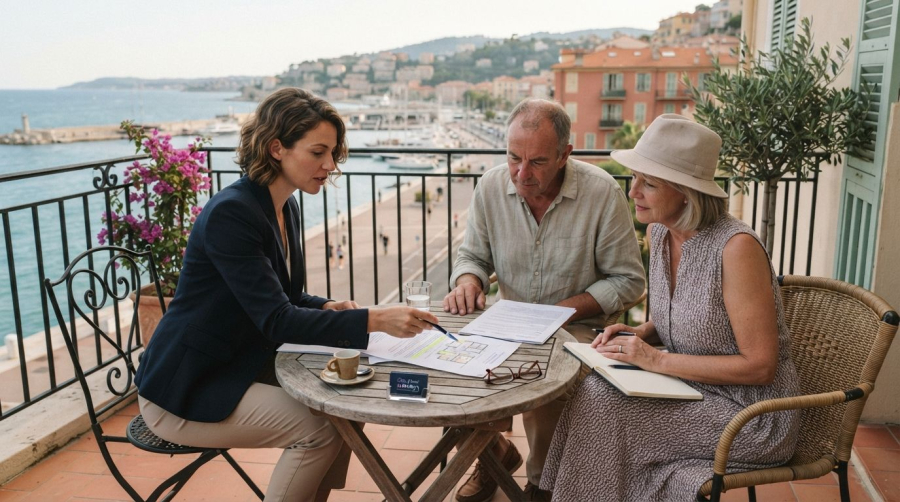
Emerging trends and foreign buyer interests
North American investors are increasingly favoring walkable areas with cultural depth, not just sea views. There’s also a quiet rise in eco-conscious renovations-buyers want charm, but they expect efficiency. The post-infrastructure boost has made districts like Gambetta and Port more attractive, not because they’re flashy, but because they’re connected, authentic, and still offer relative value compared to the Carré d’Or or Mont Boron.
Strategic neighborhoods for long-term appreciation
Not all locations in Nice appreciate at the same pace. The most resilient investments tend to combine accessibility, lifestyle, and a certain timelessness. While luxury dominates headlines, it’s the balance of character and convenience that often delivers steady growth over decades. Our experience shows that buyers who prioritize daily living quality over pure prestige tend to see stronger long-term returns.
The city’s evolution hasn’t erased its soul-instead, it’s enhanced certain areas in subtle but meaningful ways. Renovations along Boulevard Gambetta, for example, have improved pedestrian flow and local commerce without gentrifying the neighborhood’s authentic vibe. Meanwhile, the Port and Garibaldi zones are attracting a new wave of interest, thanks to their vibrant atmosphere and growing stock of high-end conversions.
From the Carré d'Or to Mont Boron
Each district tells a different story. The Carré d’Or remains the gold standard for prestige, with its proximity to the Promenade and high-end shopping. Mont Boron offers exclusivity and privacy, ideal for villa seekers. But for those balancing growth and livability, the Port area stands out-its mix of maritime charm and modern upgrades makes it a compelling bet for capital appreciation.
- Carré d’Or: Ultimate prestige, limited availability, strong resale value
- Mont Boron: Secluded villas, panoramic views, long-term stability
- Port / Garibaldi: Dynamic lifestyle, rising demand for renovated apartments
- Boulevard Gambetta: Central access, cultural heartbeat, post-renovation appeal
Financial benchmarks for Côte d'Azur real estate
Understanding what your budget can achieve in Nice requires more than a price per square meter. You need to factor in notary fees, which typically add 6.5% to 7.5% to the purchase price, as well as ongoing charges like condominium fees and local taxes. These can vary significantly depending on the building’s age, services, and location.
Our three-generation perspective confirms one rule: buying at the right price today directly shapes the inheritance value tomorrow. Overpaying in a heated moment can dampen long-term returns, while a well-timed, well-advised purchase can compound over decades. Rental demand also plays a role-seasonal tourism supports short-term income, but year-round tenants are more common in central, well-connected areas.
Comparing price brackets and acquisition costs
To give a realistic picture, here’s a general overview of what different property types offer across key neighborhoods. These ranges reflect current market dynamics and include estimates for acquisition-related expenses.
| Property Type | Target Neighborhood | Estimated Price Range | Expected Rental Demand |
|---|---|---|---|
| Studio | Carré d’Or / Centre-ville | €380,000 - €520,000 | High (short-term & student) |
| 2-Bedroom Apartment | Port, Gambetta, Libération | €550,000 - €750,000 | Strong (year-round & seasonal) |
| Luxury Villa | Mont Boron, Collines du Château | €2.2M - €5M+ | Moderate (high-end seasonal) |
Most common questions
What is the biggest challenge for international buyers in Nice right now?
The pace of the market is the main hurdle. Properties move quickly, and foreign buyers often need more time to arrange financing or power of attorney. Without local representation, it’s easy to fall behind. Having a trusted advisor who can act swiftly on your behalf makes a critical difference in securing the right property.
Are there hidden renovation costs in historic Niçois buildings?
Not hidden, but often underestimated. Older buildings may require structural assessments, especially if they’re listed or in co-ownership. Condominium charges can rise if major works are planned. A thorough diagnostic phase is essential-skipping it might save time upfront but lead to costly surprises later.
Is it possible to manage a seasonal rental from abroad efficiently?
Yes, but only with reliable local support. Self-management platforms exist, but they don’t handle emergencies, guest relations, or maintenance. Professional property managers offer peace of mind, ensuring your apartment is well-maintained and consistently rented, even when you’re thousands of miles away.
How long does the average purchase process take in 2026?
From offer acceptance to final deed signing, the process typically takes 10 to 14 weeks. This includes the cooling-off period, notarial checks, and financing confirmation. Delays usually stem from incomplete documentation or slow bank approvals-preparation is key to keeping things on track.
Should I wait for a market dip to invest on the Riviera?
Nice has shown remarkable price stability over decades. While short-term fluctuations happen, long-term trends point to steady appreciation. Waiting for a significant drop may mean missing the opportunity altogether. A better strategy is to enter at a fair price with a long-term mindset-timing the market perfectly is rare, but solid investments endure.
